Skip to content

Free quilting video tutorials from Missouri Star

Quilting Tutorials
Homespun E11 | Vanessa Goertzen

Homespun E11 | Vanessa Goertzen

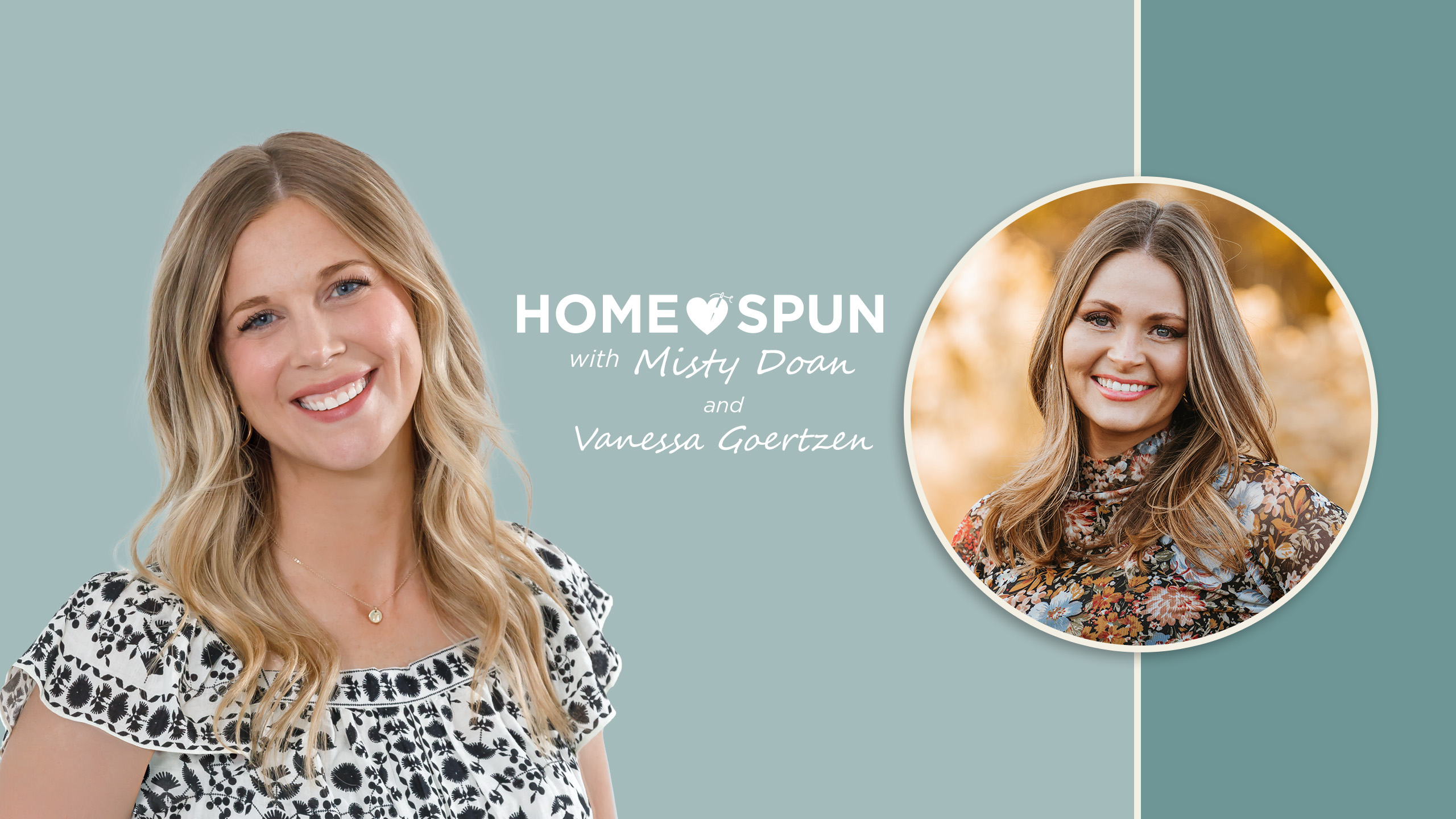
In this episode of Homespun, join Misty Doan as she chats with quilt pattern and fabric designer Vanessa Goertzen of Lella Boutique! In Misty’s friendly interviews with designers, makers, and influencers in the world of fabric and fiber arts, you’ll meet the people who have a hand in creating the items that inspire you and spark your creative fire! Hear their stories, learn their processes, share in their joys and challenges, and see their creations.
Instructor

Misty Doan

Misty Doan grew up surrounded by sewing and quilting. She loves spending time sharing tutorials each week each week, and when she’s not stitching up one of her fun sewing projects for home decor, most likely you’ll find her hanging out with her husband and three awesome kids or working on a house project.

Common Questions

What is covered in Homespun E11 | Vanessa Goertzen?

In this episode of Homespun, join Misty Doan as she chats with quilt pattern and fabric designer Vanessa Goertzen of Lella Boutique! In Misty’s friendly interviews with designers, makers, and influencers in the world of fabric and fiber arts, you’ll meet the people who have a...

How long is the tutorial video?

The tutorial video is 00:35:06.
Video Transcript

hi everyone welcome to Homespun where creativity and Community come together I am your host Misty Don and today I'm joined by Vanessa gertson the creative Powerhouse behind L Boutique and she is going to share with us how to avoid burnout find balance and constantly be evolving as a creative in this industry Vanessa thank you so much for being here with me today I am so excited to sit down and talk to you I really appreciate you taking the time thanks for having me it's a pleasure to be here I'm a big fan oh well thank you ditto I love your work and so this is really fun for me to be able to sit and and chat with you about your story and so you have been with Moda for over 10 years now is that right that's right that's right it's crazy and I still pinch myself about it every day oh I'm sure I I was gonna ask it has to be kind of a dream come true you know um I've always wanted to design fabric so I'm a little jealous that you get to but I get to enjoy your beautiful work so it's so amazing thank you yeah it's funny to me for sure yeah so let's back up because how did you you know first get started in quilting because I you started with quilting not with fabric design is that correct that is correct and I started at a really young age and I think I have to back up even further because I've been going to quilt shops since I was in my mother's womb and I love that my mother is just one of of the most creative people I know truly she grew up on a ranch and so not only is she creative but she's very inventive she's good with power tools you know she's good with do-it-yourself projects um she cooks she plays the piano she's a painter like she does it all so growing up in my household I was just surrounded by this sort of stuff she she used to tell me how she would sew clothes for her Barbie doll you know like literally there's no craft she hasn't touched I grew up cross stitching and um and watching my mother um she was in the industry and would create a lot of projects for fabric manufacturers ribbon manufacturers and so it was cool to witness her getting these boxes of new things with no instructions on what to make but she just had to come up with projects to help them you know Market these products and so I as a little kid I would play in her fabric stash and I loved the way way fabric made me feel and it was so fun to just curate my own little bundles and just see what looked good together and create a mix so I I have grown up being around it and always loving it but quilting didn't begin for me until I was about 14 for whatever reason I had no desire to get into quilting or sewing or anything until one day my mom was working on a project and it was this beautiful sunflower Mosaic and and I've seen projects using a similar method since but it's basically using like a fusible grid and she would lay out these little um squares and it formed this beautiful sunflower image oh I love that and I at the time I was so in love with sunflowers and what they represent and so it took the right project to say I I have to make this I don't know it it was somewhat small so I thought well maybe I can make it bigger and make it more like a laps sized Quil but I have to make this so that's where the bug started for me I was 14 and um since then I just realized um I just liked figuring out looking at fabric like what kind of a personality did a collection have what might it want to be made into and I would think about the different shapes and things and just kind of play so that was the beginning I love that and I love that it started at such a young age I I can really late I I grew up surrounded by really crafty women my mom both of my grandmas um but much like you said like there was nothing that they couldn't do and so I think when you grow up in that kind of household with that example it's like really inspiring but also a little bit dangerous because you're just like the world is your oyster you could do oh yeah whatever whatever your heart desires and I think it's it's really like now on the flip side I'm so incredibly grateful to have had these generations of women who came before me that were so empowering for me and to get me where I am and it sounds like we have that in common and so now I want to meet your mom how cool oh she's amazing well and on to your point um at the time my mom was a big Authority in cloth doll making she had written several books she was holding these doll doll making seminars I think she even brought to one of my school classes some cloth dolls for us to paint the faces on and like dress with scraps and things and so I I have classmates that remind me of that kind of stuff and um but growing up with it it was so normalized I remember the first time I walked into a quilt shop and found pre-cuts and started playing with those the most natural thought in the world to me was oh one day if I ever write a book I would love to write them about charm packs or pre-cuts you know and it it wasn't an odd idea to write a book at all right yeah I love that so much well speaking of you have I think you've written more books but two in particular have been super successful right yeah I have two and I and I would love to write more I've done one on charm packs I've done one on jelly rolls for for me it's a it's kind of a time thing because in such a short amount of time you have to make all these quilts and design them and you know I'm pretty uh protective of just my Creative Energy and it's like I I'm not going to bite off more than I can chew I've just learned the hard way like when I'm over extended it just I'm not happy with that so I haven't written another book in a while yeah that I actually love that you said that because that's been something that I've been on that Journey myself lately to try and find that healthy balance so can you talk a little bit about that and how you kind of came to that realization oh I would love to because I think you know I'm gonna start out by talking a little bit about the 10,000 hour rule um I think some people are probably familiar with that but a lot of when you see someone who is excellent at their craft and expert they have put in 10,000 hours that's how many hours they think it takes um so there there were many years starting out before I was even with Moda where I was just you know grinding and trying to figure out like what I wanted to do there were many years where there was no profit in business at all for me um but especially when I started with Moda I got divorced around the same time and I had these two little kids and I had them the majority of the time just logistically that's how it worked out and um so I was taking care of little kids during the day and there wasn't much I could get done outside of that and then I was working from about bedtime for them until maybe 1:00 am I figured out if I could at least go to bed at 1:00 am you know and get seven hours of sleep then I would be okay so it just it was crazy but but also in this industry a lot of times what I'm creating today I'm not going to see a paycheck for like six months to a year just because of production so I was like stressed out as a divorced mom and like head of household and trying to like put as many things in the pipeline as possible and I just you know I had to do it but after several years when I finally figured out like okay I'm okay like I'm getting more established like this has been pretty consistent at that point balance became more of a goal for me and so I started saying no to a lot more things than I used to I used to say yes to everything because I just needed the all of that to get going and it's been really nice and I feel super privileged to be at a place where I can say no to anything I don't want to do and and just really stick to the basics of what I want but it takes a while to get there in this business because so many times you have to really get momentum going to your following and everything else absolutely you have to put all that initial leg work in and and unfortunately at least for me I got into the habit of that sort of hustle culture which is very healthy when you're building something but it's not sustainable Forever at least for me it's not and so and it's not yeah I love that you brought that up because I think it's a good reminder to everyone that like sometimes you need that hard reset to say like this is not actually going to work work and and I know that I love what I do and I want to keep loving what I do so how do I protect that um yeah so yeah and like you said the burnout is real it is real especially for creatives I mean it's so easy when you're constantly giving creatively and putting things out into the world and and um that in and of itself can be really you know emotionally draining but then you know the pressure can sort of build as well and so giving yourself that that moment to breathe and say all right am I proud of this work is this the best I can do and like having that space to do it um like you said is a privilege but it's also I think a really pivotal turning point in every creative's career so so so now like my life looks a lot different than it did when I was first starting out and so I have found for me it's really important to like exercise like a lot of what we do is very sedentary even just quilting itself but also the design work I'm sitting at a computer I'm yes on my iPad drawing you know and so exercise is important going on vacations and just really striking that balance so you don't get burned out because there are designers I talk to and I know they feel the burnout and sometimes that at that point they feel like they have to force it but the best thing you can do is take a break and like get away from it and do something else and get your mind something else or elsewhere yeah I think that's really great advice I it I have found that to be 100% true in my own in my own career it's like all of a sudden if things are not feeling you know good if I feel like I'm pushing things out and I'm not proud of my work that just sort of snowballs into this really negative place and I know I don't want to get there and so giving myself time to step away step back kind of reassess what I'm working on and rep prioritizing the things that are really valuable to me as a creative has always paid off in the long run yeah it's so true so let's Circle back to your fabric design because I just absolutely love all of your fabrics and one of the things that I think is really really cool that I admire about what you do is you have this sort of signature look I feel like all of your collections are easy to identify as yours how did you establish your your kind what you wanted I guess for your your style well first of all thank you that's a huge compliment because that's definitely something that is a big goal for me because you have a lot of designers in the industry and it's like the question I'm constantly asking myself is how do I stand out how do I you know become recognizable because the other thing with my designs is I don't have a signature color palette necessarily and that's one thing I really worked hard for from the beginning because most designers sort of have a set color palette that they're recognizable for and me yeah yeah exactly and they were sort of asking me about that sort of stuff um and I you know I luckily I had basic gray to sort of look up to because as I'm a consumer just as much as I am a designer or Creator and um one thing I have always admired about basic gray is you never really know what you're going to get with our collections it's always fun it's always different and so she is someone I have always looked up to and so I kind of knew from the beginning I wanted the same sort of thing because my tastes change sure I love so many different color palettes and so I I didn't know like would would I be able to be recognizable but I think just because a lot of my collections are very floral Centric and because they're made in my hand you know I think after a while people sort of get what the aesthetic is for me yeah carries through oh well it like I said it's it's deniable for me like I can see it and I'm like oh that's Lola Boutique I know it is so that's awesome yay a I love that so speaking of can you talk a little bit about how you chose the name for your your design oh yeah well you know it's kind of funny thinking back now because I had no idea I would be designing Fabric or doing any of this I I probably would have picked differently truthfully um but starting out I was kind of uh well let me say this I was uh my my ex-husband was in law school at the time we were when we were married and I had a new baby and I felt a little bit of pressure to work but I you know I I it was really important for me to be at home with her so I I felt some pressure to maybe earn some money so I was trying to kind of figure out how I would do that and you know this was about 15 years ago and blogging was at its peak I would say so I started out with a Blog and as I was trying to figure out a name I kept coming back to my childhood and how magical my mom just always made it feel and so I wanted something that was gonna conjure up those feelings of like magic and Whimsy and I kept thinking about this dress that I had as a toddler I loved Cinderella and I had this pink dress and so I would call it my Lala dress because I couldn't speak I was real little um but I would just like twirl around in that thing for hours so I I took that part it as um Lea and and I don't know why I did Boutique I'm like I'm not a boutique but you know I just didn't know and so yeah so that's kind of where the name came from well I love that I love that connection to your childhood I had no idea that's really fun oh thanks and like a a nod to the you know the magical empowering environment that your mom created too which is really really admirable so super fun so then as a new designer like when you first started do you have any advice maybe that you could share with others who have SIM similar Ambitions like you now have this really recognizable brand that you have built in the fabric industry and so I'm sure when you began you didn't feel as confident so what would you share with others who are maybe on a similar path well so a couple things here I think the advice I would give people is what you know you really want to stand out there there are so many designers already so you have to think about what isn't out there already like what can I create that's new um how can I stand out because you do want to be recognizable and so that's a big Focus for me in terms of that question um starting out I definitely wasn't sure because I don't have a background in graphic design you know I went to Quilt Market in Salt Lake a while back and that's when I noticed you know some of these designers are younger they don't have you know a degree in Fabric or textile design so I thought well maybe I could do it and so I kind of tinkered around you know I had access to photoshop and that's it and by then my baby was not really napping multiple times a day so I thought well how can I do this I can't go to school my my husband's already in law school like I we can't afford it we're you know poor students and so I I I wanted this goal but I was like how do I get from A to B like that's just a huge leap so I was like you know what I will spend five minutes a day on something towards this it doesn't matter and and I knew that setting a bite-sized goal like that was going to turn into more chances are I sit down for five minutes and that turns into a half hour an hour whatever so I remember one day I ordered a book about Tex stle design that's all I did that day um from Amazon and then you know I just started tinkering in Photoshop a few minutes every day and just trying to figure out the program the book kind of walked me through how to create repeats and so I was just really playing around and I played around for about a year and then I I knew I wanted to be with Moda from the get-go I mean I just was such a big consumer they are they are the manufacturer I was always attracted to I loved the designers um so obviously that was the goal um so one day I just decided to turn in a proposal I found the information online for the design director and I I submitted it and I got an email from her and she said oh you know thank you for your submission we are not looking for any new designers at the moment and you know thanks and I thought you know if it was good enough they would make room so I need to go back to the drawing board I've learned a lot like this has been a huge learning curve over the last year I'll scrap this and start a new collection and so I did and I started playing around and after about six months I just had this feeling one day like you should turn it in today I was like yeah I guess you know it's I'm just playing around at this point so I turned in that collection and I had also gotten advice like you know instead of just turn in these swatches you should also plug it into a quilt design so they can see how you imagine it being used which I thought of course yeah so I turned that in and the next morning I had a a response and they said it kind of cracks me up uh she said you know we remember you it looks like you're improving and I thought oh no like this doesn't sound good but she said we'd love to give it a shot go ahead and send in your files and paint chips and I thought oh shoot they're gonna catch me like I don't I don't actually know what I'm doing like I don't know if my files are good is she talking like really paint chips like you know and I just thought oh shoot I feel like I can't ask her these questions like maybe I should know all this already so I I definitely went into it very unsure I mean and now and I saw that you had Deb strain on as you know Moda will take whatever we send to them and work with us they are so wonderful to do that and luckily I didn't know at the time but I was okay with how I had done it and everything so I turned all that in my first collection didn't do great there were some changes we made with color that in the end I wasn't happy with and I I sort of I didn't speak up as much because I just thought well I'm the Newbie here like I'll kind of let them take over and what I realized from that experience was like no I'm the designer like if I don't want that color in I really need to like speak up and you know within reason sometimes it's like yeah you know what they've got a good point there but I hate I ended up not loving my first collection because of some of the things I didn't hpe up about and so now now as time has come along I've gotten you know I I know what I want and I know that I should go with that and they've learned to trust me on that as well so it's it's been great but initially the first couple colle I just I was like I don't know if this is going to work out and you know which is okay like there's so many different ways to have a place in this industry and and just create like we all do this just because we love it and there's a lot of different ways to go about um you know being in the industry yeah and I think that's been one of the things I've enjoyed the most about these conversations I've had is you see everybody has kind of their own unique path to get from point A to point B be in in this industry and in this space and it's a great reminder to all of us that there is room for everyone um I have a friend who she often talks about people either have an abundance mindset or a um oh now I've just lost basically a scarcity mindset exactly and I think it's really easy to feel like there's not enough to go around or you know that it needs to be super competitive and we have to get something before somebody else and it the facts the matter are that's just not what I've found like there is so much room and so much talent and so the more that we can you know lift others and encourage others like the greater the industry is going to become because we get this amazing um variety and I love what you shared about like trusting your instincts and being unique to who you are and bringing that to the table and so do you have any more specific advice I know you talked a little bit how you had to learn to speak up but how did you really find your style that you wanted to share yeah I mean I feel like with the first couple collections it it's definitely a huge learning curve because you're also go you're you're picking out paint chips and then you're turning them in and sometimes when you get the actual fabric back you go oh I don't I I wish these colors were more muted you know so I feel like it really took a couple collections to fine-tune that and I have a lot of respect for people who already like know how to do all of that and you know that's something that has always been a little more difficult for me but I feel like I really finally kind of started figuring it out with my third collection I was really happy with what how it turned out and and what happened with that collection you know rather than turning in paint chips what I did was I went and had it printed out at Kinko's and I I found that I actually loved the way the colors printed out they were exactly what I wanted so I went off the paper and I said just match this like don't about paint chips I don't want to find paint chips I might mess it up because it's just funny how when you're it it's a lot more difficult than you would ever expect and and that's the funny thing too about when I was you know kind of in those early stages going I don't know if I'm gonna have longevity here um I in a in some ways I was like that's okay because this is way harder than I ever anticipated that it would be um but you know I think my process changed over time as well so I think it's okay if you don't know everything up front it's really fun to just grow throughout the process and it's funny now to look back at some of my early Collections and I go I can't believe like oh you can kind of see my progress if you if you look at my collections I started out physically drawing things scanning them in creating a stamp and sort of because I didn't have any way to draw directly into a program so so you know I had this kind of whatever method and now I'm at the point I use an iPad Pro and I just draw everything directly in and so I've I've streamlined my process and I know what works for me I'm still learning there are different programs I'm finding all the time like oh you know that's when I get time I would like to start incorporating um some more knowledge about this over here so I think that's what's really fun is there's always growth you're never going to know everything and that's not how it's supposed to be like we don't want to be stagnant no absolutely not well and I love that too like I didn't I guess I didn't consider the fact that you would have handdrawn and scanned it in like you know th all those years ago the best way to do it yeah yeah but I probably would have approached it the same way I mean you're just trying to get from point A to point B so I yeah I love that and and to you know kind of acknowledge that growth and be able to look back through your collections and be like man look how far I've come it's that's a really really amazing thing so let's and I'm super grateful to Moda for taking the chance you know oh absolutely and and it sounds like they've been an incredible partner to you along the way which is so wonderful to have that support and someone kind of encouraging you and reminding you like no you've got this you can do it so yeah that's that's amazing so let's talk about your quilt designs themselves because they are all stunning and like you said you grew up from the time you were in your your mother's womb visiting quilt shops so how how about that process when you started designing quilts you want to share a little bit about that yeah well that has also changed a lot um because like I like I sort of explained I used to start with the fabric and I would you know curate a bundle or whatever and I would kind of study the fabric and go I would kind of think on it a few days like what does this want to be made out of what kind of shapes you know and usually the ideas would come to me by looking at the fabric well as I've become a fabric designer most of the time we do not have the fabric into our in our hands until after the designs are due and so we're we're doing it a lot differently we're having to mock them up and sometimes we don't even have the scans right away so you know it it's it's different but there's there's a lot of different ways to come up with ideas for quilts the fabric is certainly one but also for me um the pre-cuts are another fun challenge for me and as as as much as I'm a creative person I also think of this as a very scientific sort of um problemsolving job you know it's like how can I take this stack of 10inch squares and turn it into a quilt like how many different ways can I cut this up and so it's a really I make a flower could I make a flower out of a layer cake let's try it you know so it's fun to challenge yourself like I need a jelly roll quilt okay so you know what different things could I do and that's the challenge I I hit on with fabric but also with quilts it's like what hasn't been done you know because there is a lot that's just done over and over and we're all working with the same shape so sometimes it is really hard to find something that's different so it's it's a fun challenge for me and so a lot of times I'll sit down for a collection and you know I would ideally like to make one that you is a fat quarter or fat e bundle a layer cake a jelly roll a charm pack but sometimes I think the collection I just finished designing quilts for they're not out yet I think almost all of them are fatty fat quarter and I was like dang it you know I I wanted to hit more pre-cuts but this is what came out like I just had ideas for more of how I wanted the fabric to be used and that's just how it ended up you know so yeah you know I just kind of go with whatever comes together a lot of times I love that so I think that at least for me and the conversations I've had with people in the industry thus far you are unique in the fact that you design both the quilts and the fabric and so I'm wondering does it ever go in the reverse like where you have this idea for a quilt but you don't have the fabric you want to make it the the right way and so then you design for that oh sure well sometimes even just as I'm designing for a collection I'll have an idea I'll mock up the quilt and once I've you know um put the fabric in I don't love it or maybe I just have more designs than I could possibly use so I will set some aside and as I have the next Collection comes along you know I'll plug it in and see if oh is this the right fit um not yet and so sometimes I have ideas that sit for a while until the right Collection comes but I'm doing so many different um collection at this point that I I usually don't know what quilts I'm going to make before I design the fabric or as I'm even designing the fabric it's just it's like I'll think about that later you know when when it comes to it I love that so how many collections do you do a year at this point I typically do two but the last few years I feel like there have been three and I haven't intended it you know but this just how it's worked out and uh yeah so I don't I don't even remember my exact account I think I'm out to like 24 or 25 collections which sounds weird to me congratulations that's amazing thank you that's so cool well I love that I mean I have just like absolutely enjoyed this conversation and so I just wonder if there's maybe any like final words or words of encouragement that you would leave for other creatives to just you know keep doing what they're doing um yeah you know I think just like like I shared ear ear for me it was 5 minutes a day but also like another part of that story that I haven't really hit on is you know I started out thinking maybe I want to blog you know this is a huge thing and I realized very quickly I want to create I don't want blogging to be the main thing here so then that kind of evolved and I was like maybe I will sell quilts on Etsy I'll just make what I want and put it up for sale you know then I found people don't want to pay like what a quilt is really worth also the the odds that someone's going to stumble upon this quilt and it's going to be exactly what they're looking for that's you know I I found very quickly that they were very slow to move and so it was like well maybe I'll do custom quilts and I very very quickly realized I did not enjoy that at all I don't you know other people's inspiration and their color schemes I was like not having a good time so that's when I kind of segwayed to patterns and I thought well I I'll make whatever I want but I'll write the instructions it's a smaller price point so maybe I'll sell more though that way and and so that's kind of how I got into the pattern writing but I didn't even you know nowh in the beginning was I thinking fabric design is the goal or Moda or any of that it just was kind of a Meandering to sort of figure out well what what do I like you know some people might love making custom quilts for people and that's great we need people like that so I think the point is my journey just I kind of had to just go along and and it it was constantly evolving and I had to be open to that and eventually I got to exactly where I wanted to be and you know so I my advice is just to be open to the process and um there's no you you may surprise yourself you may end up liking technical right or something that is so needed in the industry that you didn't realize you know and you're really good at yeah absolutely that that's a great point and and that goes back to like there's a need for everybody's talents and we just have to figure out how to how to get everybody where they need to be because there's plenty of room for that I love that so is there any other you know maybe Fiber Arts or or anything really that you're interested in dipping your toes in well you know I've thought about getting more into the cross stitching because I know that's really big and I I loved doing it as a kid but I've hesitated because it's like I just don't know when I'm gonna have time to do it you know and I'm just I've gotten to the point where I've because I've learned to be a little more balanced with my life um it's it's hard for me to want to give that up and potentially you know be overextended and prone to burnout so it's something I've thought about you know um but so far I haven't gotten to it yet but that's okay I also you know there's so many different stages of life I still have younger kids and at some point I'm like I'm I'm gonna have way more hours in a day and maybe that's down the road but for now it's not I say that all the time I'm like it's just not that that time in my life you know I still have teenagers at home that they run the schedule and keep me running ragged so I totally relate to that but what about like just to fill your buck is there anything that you do outside of you know quilting and design that you you know if you're needing like you know those creative juices filled back up that you like to do well I love getting out in nature I live 45 minutes away from Zion National Park I'm actually going this weekend it's so beautiful there and so it's it's a good reset there's so much inspiration I one of my fabric lines came out of my love of Zion and you know so I I love to get out in nature I love to be active I love weightlifting I love cooking I love doing projects around my house I'm constantly like reimagining like what you know should I wallpaper this should I you know so I love that I have plenty of things for sure that um keep me busy outside of quilting and sewing that's awesome well Vanessa thank you so much for spending time with me today and just sharing a little bit of your story hopefully we'll be able to catch up again I feel like we could talk all day so I I really app appreciate you um can you just uh share with everyone if they want to see more of what you're up to where they can follow along um and keep up with you online yes you can find me at L Boutique on social media I'm on Instagram I would say the most um I have a Blog that's blog. L boutique.com um but yeah I mean come find me on Instagram Facebook as well wonderful well thank you so much for being here I really really appreciate it and hopefully I'll see you soon thanks for having me yeah bye bye [Music]

Recent tutorials

See all