Machine quilting is an integral part of creating your quilt, but doing it incorrectly can take a toll on your body. HollyAnne Knight of String & Story explains how the correct posture can save your back and shoulders, and the correct lighting can prevent eyestrain. Get beautiful results without discomfort. Quilting shouldn't be a pain!
What is covered in Posture & Lighting when Machine Quilting with HollyAnne Knight?
Machine quilting is an integral part of creating your quilt, but doing it incorrectly can take a toll on your body. HollyAnne Knight of String & Story explains how the correct posture can save your back and shoulders, and the correct lighting can prevent eyestrain. Get beautif...
How long is the tutorial video?
The tutorial video is 00:04:46.
Are supplies listed for this tutorial?
Yes. The tutorial page includes the supplies and materials connected to this project.
Video Transcript
Welcome back, rockstars. My name is Holly Knight of String and Story, and I'm visiting here at Missouri Star Quilt Company to help guide you to quilt with confidence. Today, as we prepare to actually quilt a quilt on your domestic machine, I want to take a moment and talk to you about posture and lighting. One of the big roadblocks that folks run into when they start trying to quilt their own projects is the issue of things like neck or shoulder pain. And a lot of this can be solved before we even start quilting by how we set up our bodies and how we set up our quilting space for success. Now, a lot of us when we go to quilt, we are doing sewing machine on top of a dining room table, often with a quilting table like this. And before we know it, we're sitting down in that dining room chair and our machine bed is way up by our chins and we're just having to peek over the edge hanging on for dear life while we're sewing. And as you can imagine, if you've got your arms up high, very quickly your shoulders follow. And keeping those shoulders up by your ears is going to cause a lot of pain as you start to bring a big old quilt underneath that machine. So, let's talk about what we need to do in order to prevent that so that you can have a pain-free quilting experience. The first thing that I want you to do is I want you to raise your body. Whether that means you put a phone book down in the chair or you figure out a way to set your machine down in a table. You need to shorten that distance between the bed of your machine and your torso. Ideally, we want our quilting surface, so not the table it's sitting on, but actually the quilting surface itself to be right at the bottom of your rib cage. So that when you're sitting, your elbows at a nice 90° angle. This is going to put you up over your work and it's going to give you a lot more control. Not only does this reduce that shoulder up at our ears issue, but it's also going to allow us to engage different muscles as we begin to quilt. If we have our hands up high and we're trying to hang on to a quilt, we're very quickly going to have claw-like hands that are straining all those little muscles in our fingers and down in our wrists. If you have any kind of mobility issues, any kind of joint issues, this is going to flare up quickly and cause a lot of discomfort. When we are up over our work, however, it allows us to engage our core muscles to stabilize our body and use muscles like our triceps at the back of our arms and our deltoids down our back in order to move the weight of the quilt. These are larger muscle groups that are more suited to this kind of work and they're going to fatigue less quickly. They're not going to get tired as fast and they're going to be able to handle the load without getting sore in quite the same way. So, raise your body up so that you can be up over your quilt. quilt with flat hands so you're not irritating all of those little tendons and everything in our fingers. And as you engage that core, it's going to keep your body stable in order to be able to work. Now, this is not a position that a lot of us sit in, right? We have a tendency to relax our core when we sit, collapse, and have that C-shape. So, if you're not used to sitting up over your pelvis, make sure you're taking breaks every 15 to 20 minutes again to reduce that fatigue. Treat this kind of like going for a walk, right? You can go out and go for a walk for 15 or 20 minutes, but after that, you maybe want to have a sip of water. You may want to catch your breath for a minute. And just make sure you're taking care of your body as part of this process. Now, the last thing that I really want you to consider is lighting. Okay? In addition to where our chair is in addition to our like in relation to our machine affecting how we sit, the other thing that can affect how we sit is whether or not we can see our work. Turns out that seeing what we can do is actually really important to quilting, right? But as we age past the age of 30, every 10 years, you need about 20% more light in order to see this in the same way. You add on top of the fact that we're going to be quilting with a fine thread. These stitches are very small. You want to have a lot of good light in order to be able to see what you're doing. Now, my favorite light for this purpose is the slimline 3. You can see I've got one just handy dandy clipped here on the side of the machine. And when I turn this on, you can immediately see the brightness that that brings underneath. By having that little bit of extra lighting, whether it's a clip-on lamp like this, you improve the overhead lighting in your sewing room, even just moving a table lamp closer to where you're working, you're going to be able to see your work without having to slouch in order to get your face closer. So, as a quick review, in order to improve your quilting experience on your home machine, I recommend that you sit up over your work so that you have better control with larger muscle groups as you move that quilt, that you take frequent breaks in order to hydrate and stretch your body as needed, and that you bring in a light as an assist so that you can see what you're doing without straining your eyes or craning your neck. Again, I'm Holly Knight of String and Story visiting here at Missouri Star Quilt Company. I've hope you enjoyed this tutorial and that it gets you a step closer to quilting your own quilts.

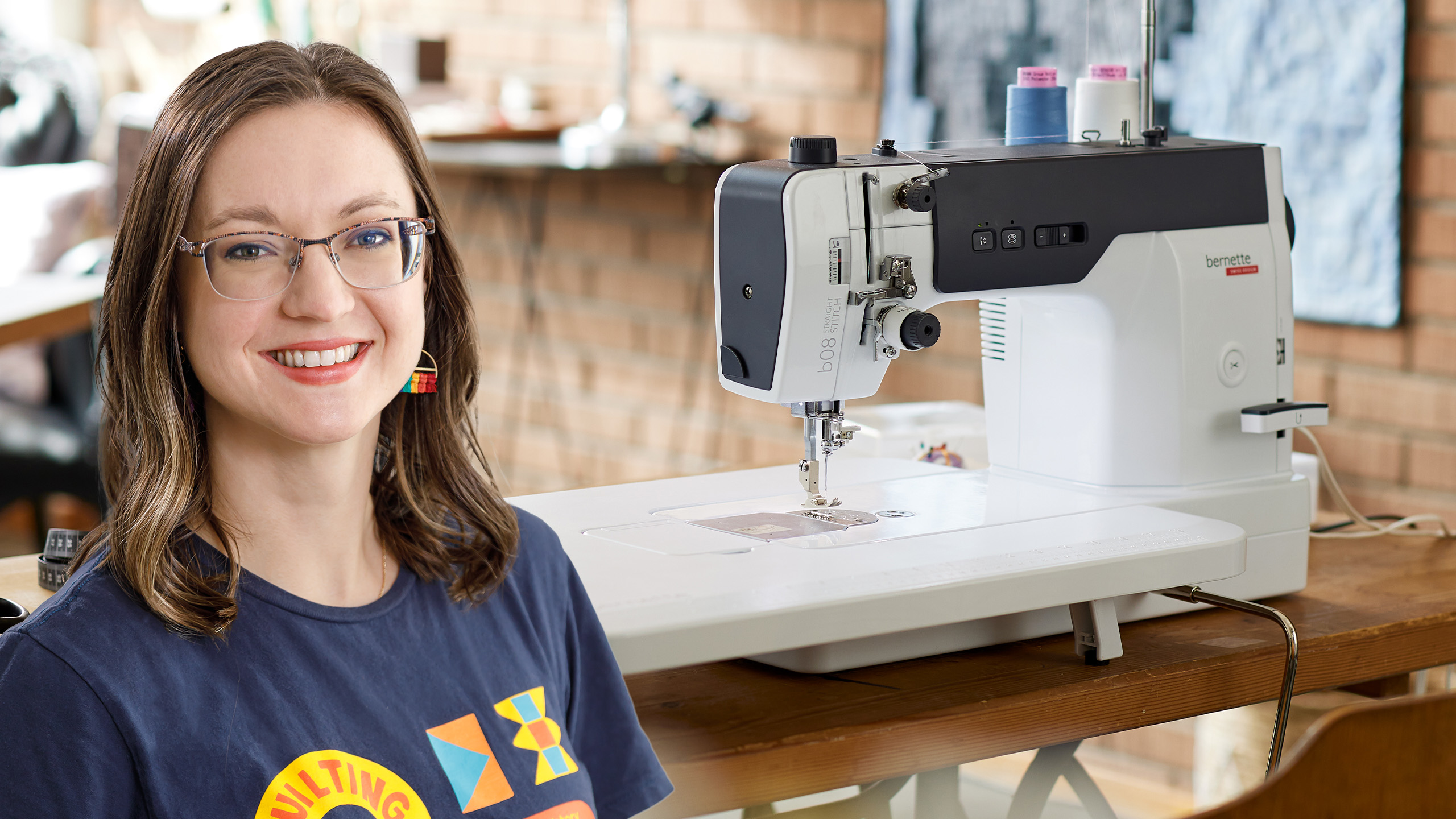

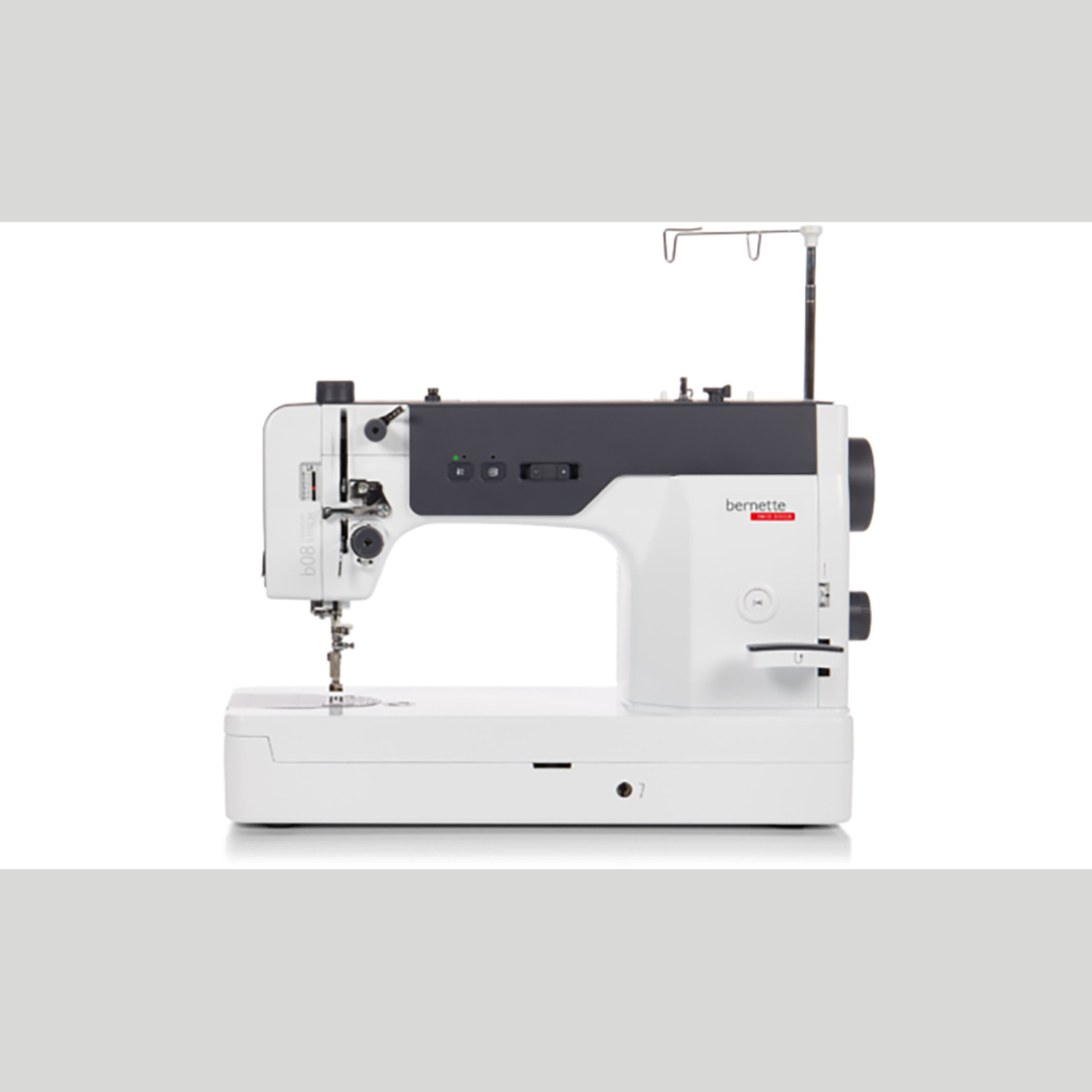 Bernette 08 Straight Stitch Sewing Machine$2299.00Shop →
 Schmetz Universal 5 pk size 14/90 Needles$3.95Shop →
 Sewing Machine Oil$9.95Shop →
 Aurifil 50 WT Cotton Mako Large Spool Thread Dove$14.95Shop →
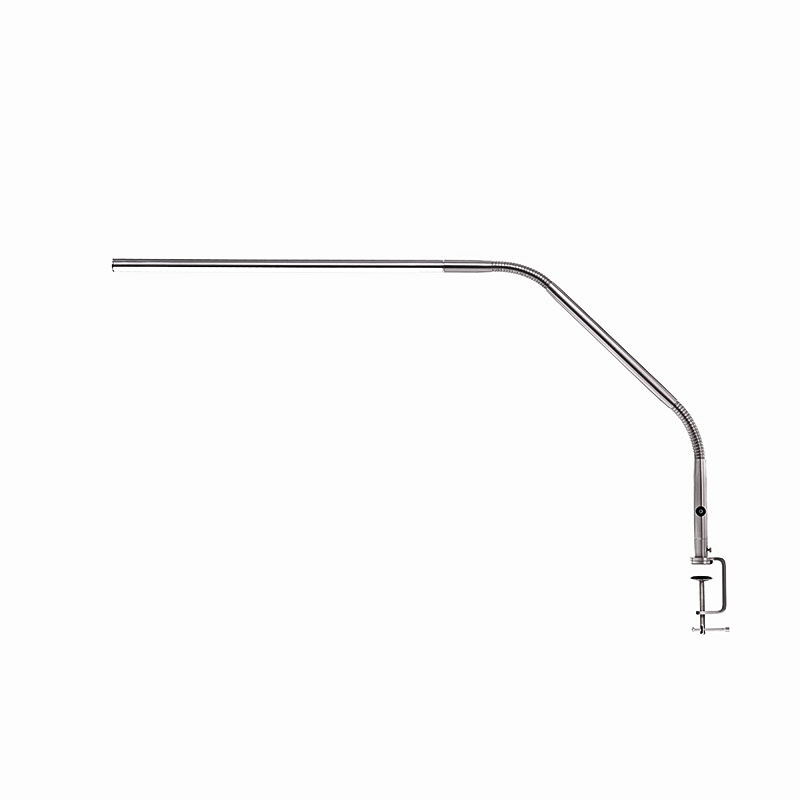 Daylight Slimline 3 LED Table Lamp$229.95Shop →
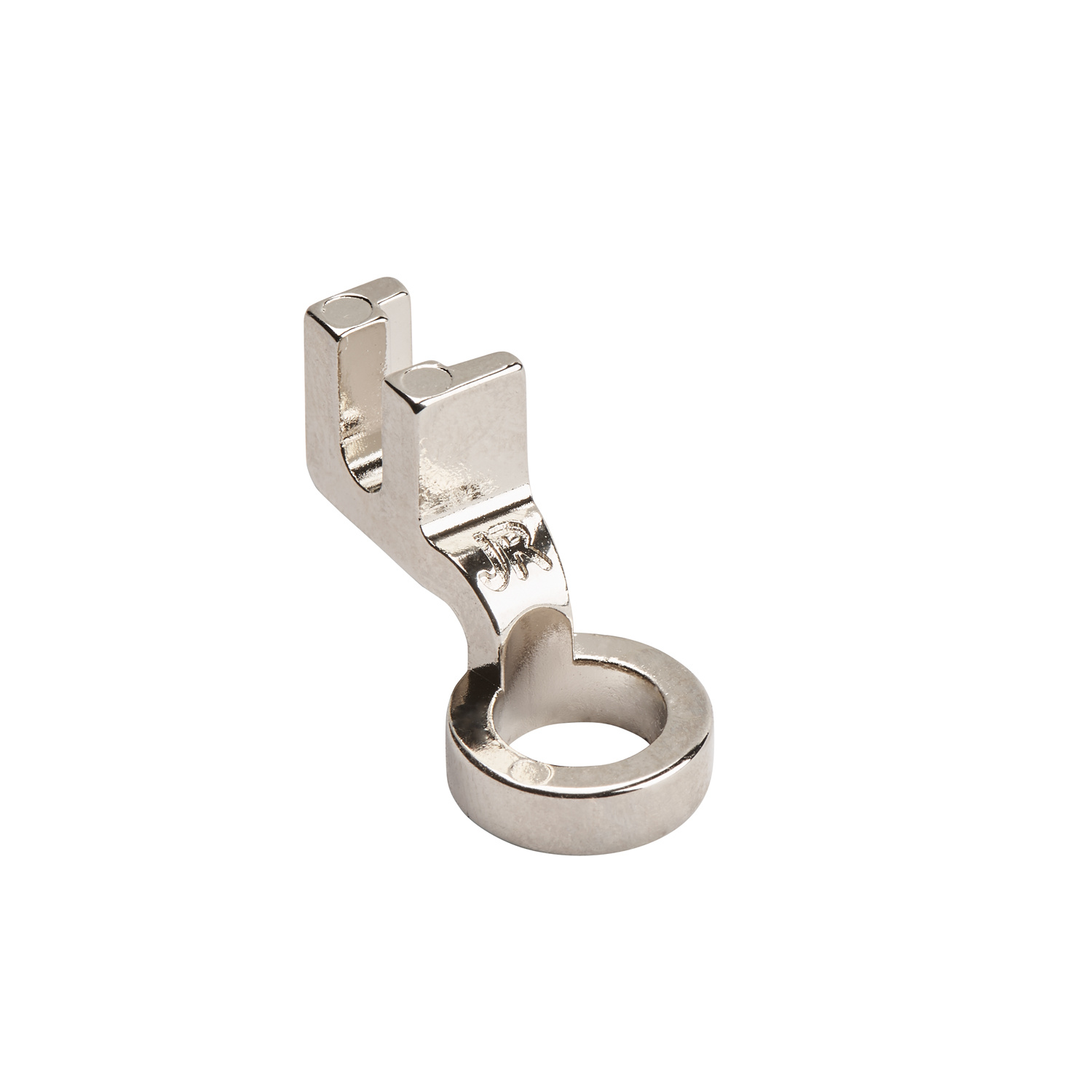 Bernette Ruler Foot - fits B79/B77$64.99Shop →
 Machingers Quilting Gloves - Small/Medium$9.00Shop →
 Machingers Quilting Gloves - Medium/Large$9.00Shop →
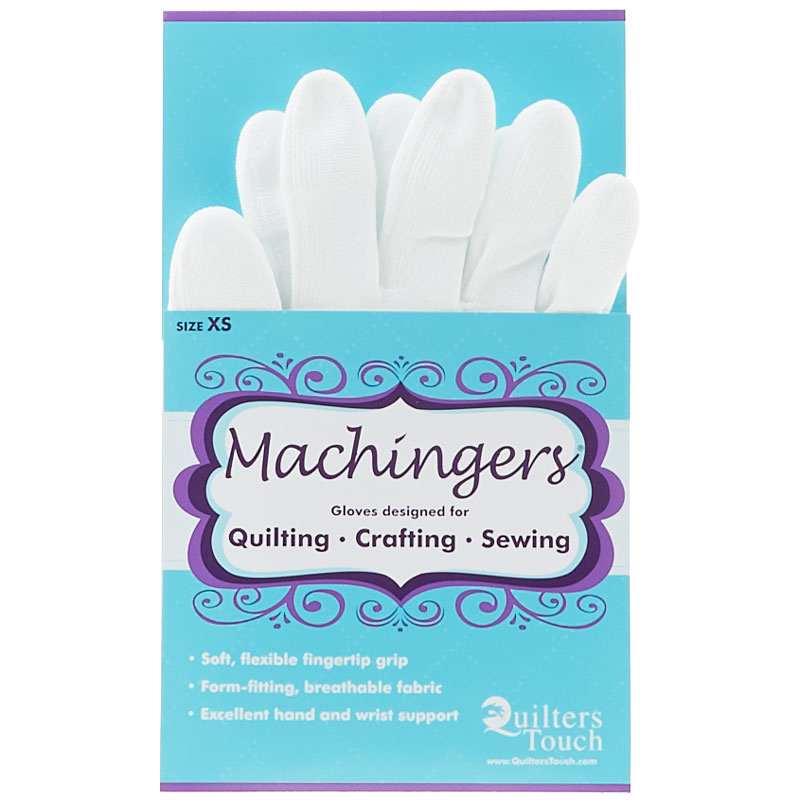 Machingers Quilting Glove - Extra Small$9.00Shop →
 Missouri Star 8" Everyday Scissors - Amelia$19.95Shop →
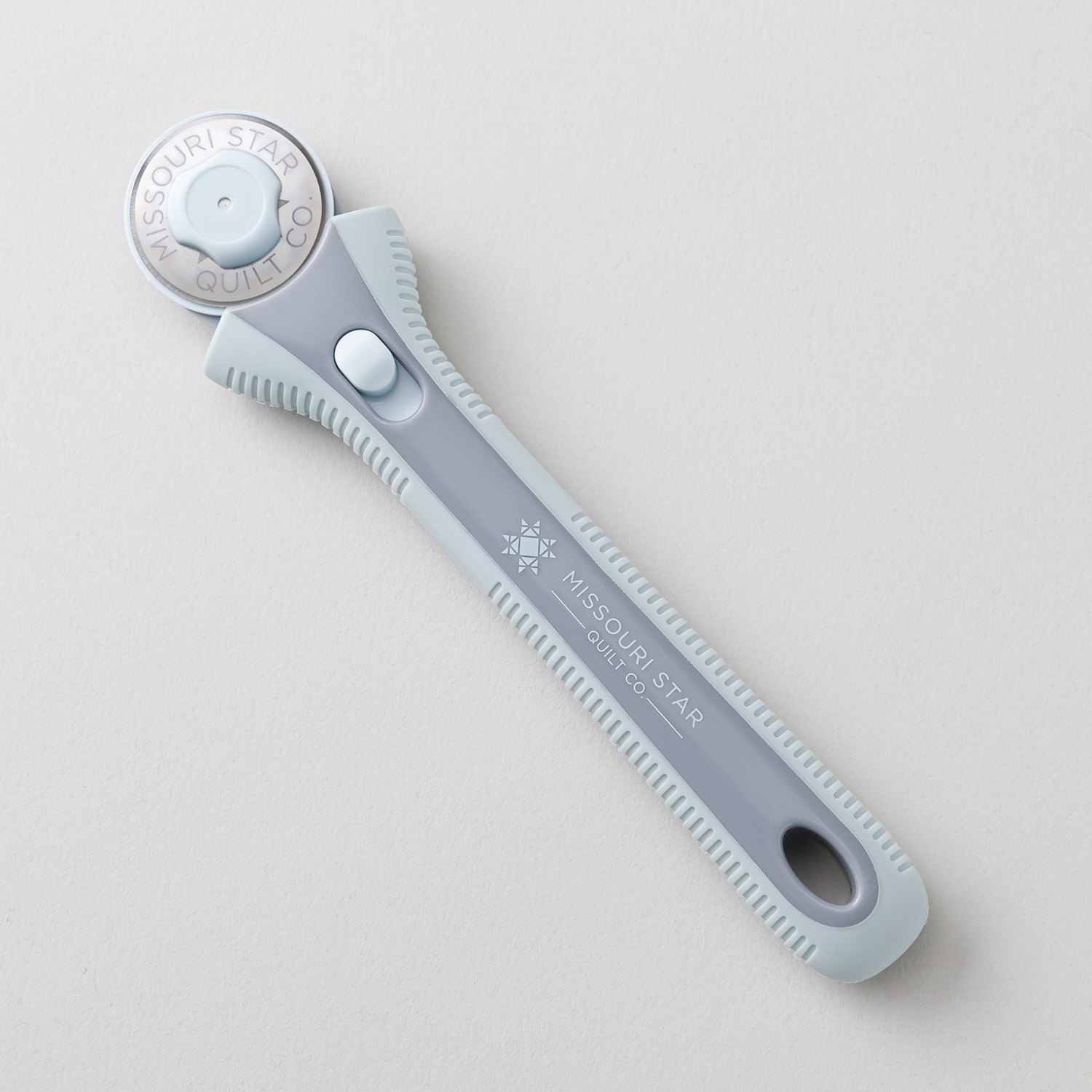 Missouri Star 28mm Rotary Cutter - Klara$16.95Shop →
 Missouri Star 45mm Rotary Cutter - Olga$19.95Shop →