Not QUITE enough fabric…but I made it work | Super easy pillow case with Beth Shibley
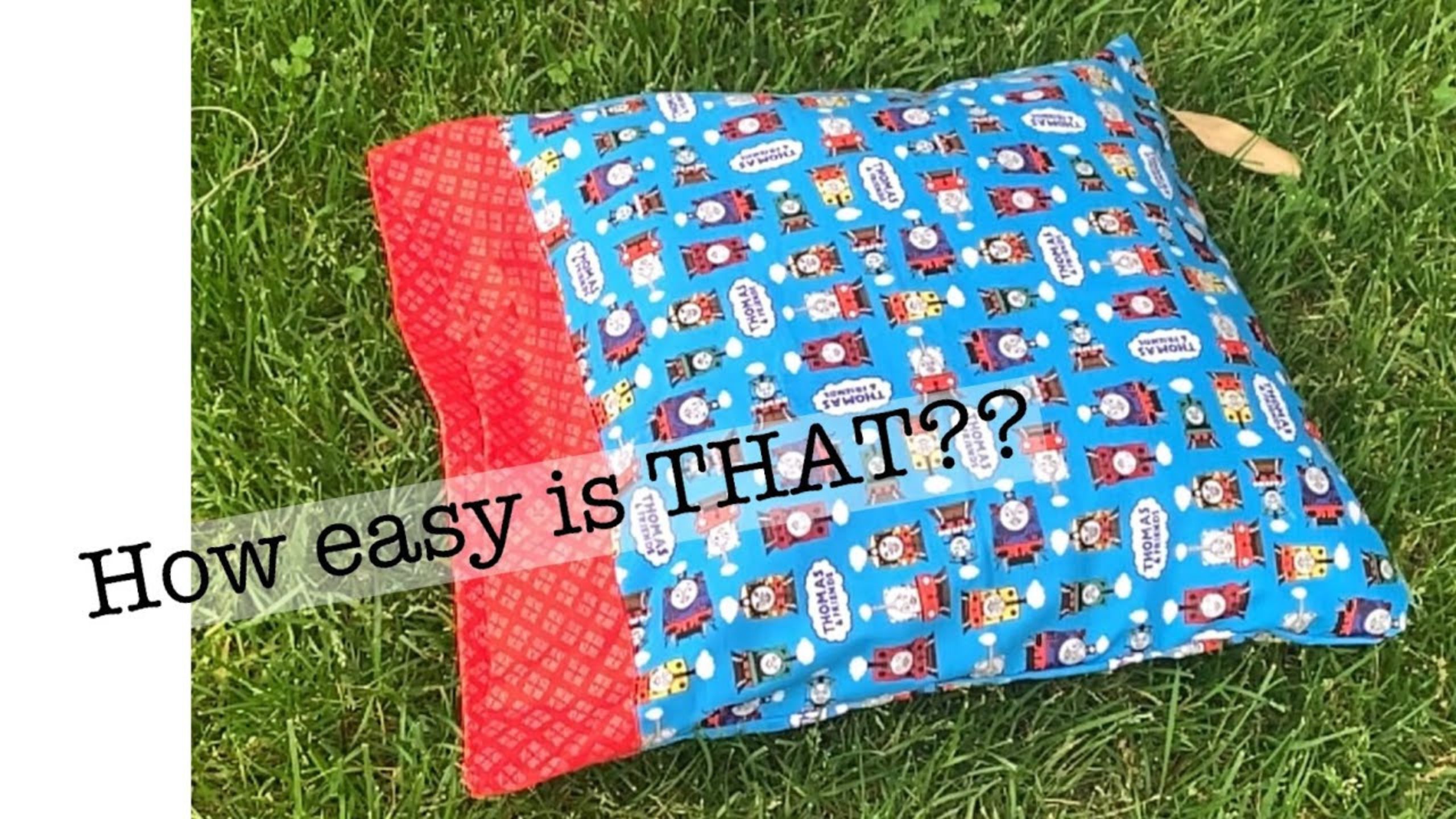
What happens when you don't have quite enough fabric? Beth Shibley shows you as she makes a simple pillow case with contrasting fabric at the edge!
Instructor
Beth Shibley
Beth Shibley loves to create and share her adventures in quilting. Simple patterns and practical gifts are what she loves most.
Shop this tutorial


Common Questions
What is covered in Not QUITE enough fabric…but I made it work | Super easy pillow case with Beth Shibley?
What happens when you don't have quite enough fabric? Beth Shibley shows you as she makes a simple pillow case with contrasting fabric at the edge!
How long is the tutorial video?
The tutorial video is 00:08:50.
Are supplies listed for this tutorial?
Yes. The tutorial page includes the supplies and materials connected to this project.
Is a transcript available?
Yes. A written transcript is available on the tutorial page.
Video Transcript
Beth Shibley shows you how to make a quick and easy pillow case, no matter what amount of fabric you have.
She starts with 22" x WOF for her main fabric, and 8" x WOF for her accent fabric.
Next she added the edging to the main fabric using the burrito method. The burrito method is a clever technique for sewing a pillowcase that encloses all the seams neatly, without any raw edges showing.
After completing that step, Beth trimmed her selvages, and then folded the pillowcase half, and french seamed it together. First she sewed the pillowcase with wrong sides together. Then she turned it inside out and pressed it. Finally she sewed the seams together a second time (with right sides together) creating her french seams. French seams are great for pillowcases because they keep the raw edges from fraying through multiple washes!
She starts with 22" x WOF for her main fabric, and 8" x WOF for her accent fabric.
Next she added the edging to the main fabric using the burrito method. The burrito method is a clever technique for sewing a pillowcase that encloses all the seams neatly, without any raw edges showing.
After completing that step, Beth trimmed her selvages, and then folded the pillowcase half, and french seamed it together. First she sewed the pillowcase with wrong sides together. Then she turned it inside out and pressed it. Finally she sewed the seams together a second time (with right sides together) creating her french seams. French seams are great for pillowcases because they keep the raw edges from fraying through multiple washes!