Embroidery 101: Embroidery Fabrics & Stabilizers
Are you ready to dive into the enchanting world of hand embroidery? Join us on this exciting journey as Natalie, a passionate embroidery enthusiast, guides beginners through the fundamentals of this timeless craft. Whether you're new to embroidery or looking to master a different stitch, this series can help enhance your craft and have you stitching like a pro in no time! Today's video covers embroidery fabrics and stabilizers. Follow along so we can transform threads into masterpieces together!

Instructor
Natalie Doan
Natalie is the host of Quilting 101, Embroidery 101 and the Creative Strategist and Editor of Block Magazine at Missouri Star Quilt Company. She was taught how to sew by her mom, of course, and began quilting when she grew up.
Shop this tutorial
Common Questions
What is covered in Embroidery 101: Embroidery Fabrics & Stabilizers?
Are you ready to dive into the enchanting world of hand embroidery? Join us on this exciting journey as Natalie, a passionate embroidery enthusiast, guides beginners through the fundamentals of this timeless craft. Whether you're new to embroidery or looking to master a differ...
How long is the tutorial video?
The tutorial video is 00:06:16.
Is a transcript available?
Yes. A written transcript is available on the tutorial page.
Video Transcript
Embroidery 101 we are going to chat about fabric.
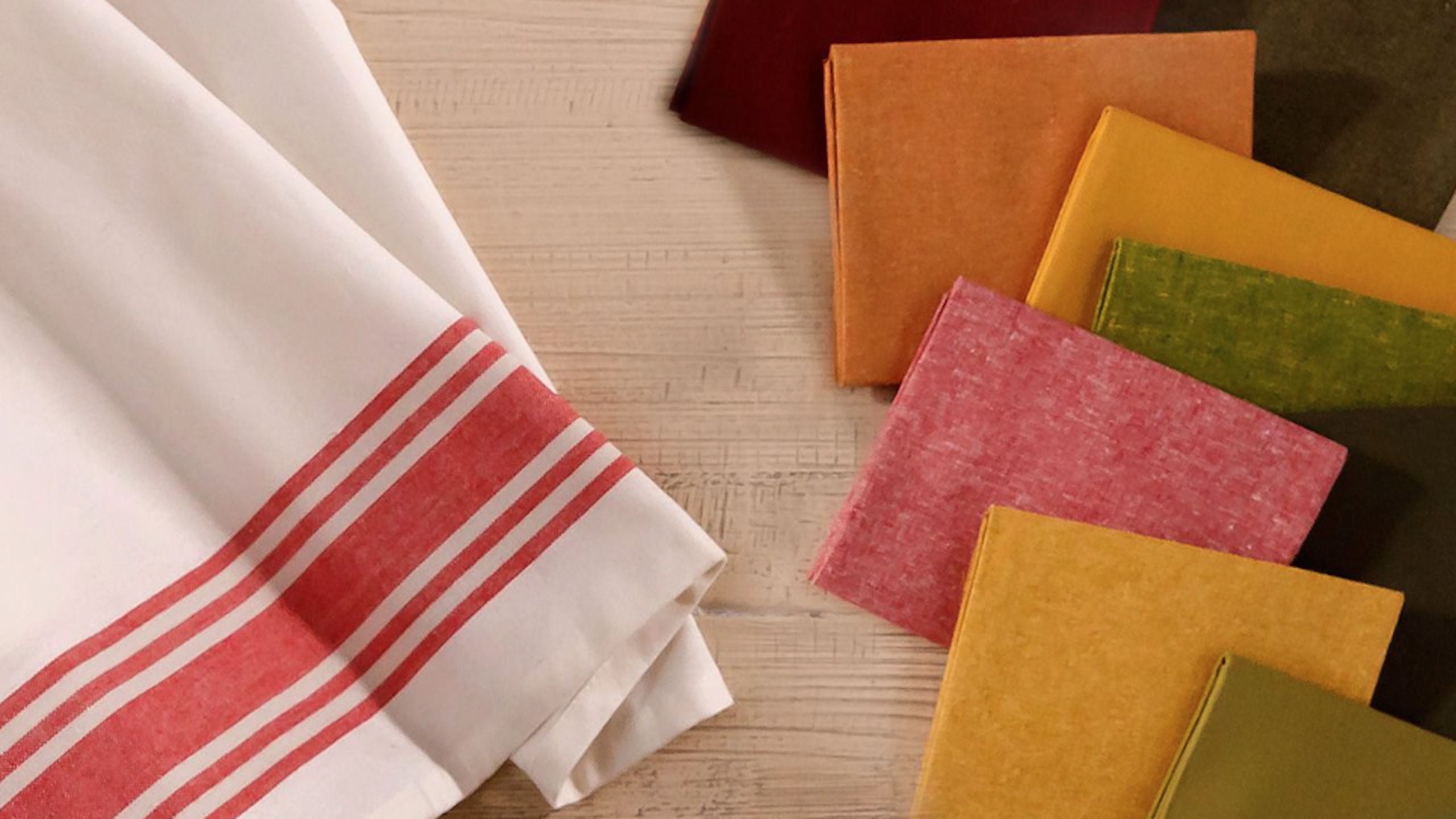
When you're ready to start embroidery you might wonder what type of fabric should I use. Now really you can use anything you'd like to sew on. Some of the most common are quilters cotton and linen and that is because they have nice tight weave they're really stable and easy to put your needle in and out. They work great, but you can use flannel. You can use knits. We've done jean jackets and sweatshirts and cardigans, tennis shoes…really you can use anything you like.
If you're using a fabric that is a little bit stretchy you might want to put a stabilizer on the back. Even if you're not using something stretchy, like this one has an iron-on stabilizer or interfacing on the back of it that will keep your fabric nice and tight. It gives you a really solid surface to stitch on, so
that is a good option if you want something permanent. If you don't want
something permanent, we have a really great peeling stitch that is washable. It washes away and dissolves in water after you're done stitching on it, and those are great because you can print or trace your design right onto the paper.
If you get the embroidery kit, there's a little sheet that comes in it that has pre-printed designs on it. So I'll just show you that real quick. You can just rough cut around it, it doesn't have to be in any particular shape. I typically go with just a circle just because that's me. It has this backing, so you're
going to peel that off. Let's see if I can get that easily. So it looks like this and it's adhesive. So what I'll do is when I'm ready to place this on my fabric, I'm just going to center it up and stick it down. It sticks on like a sticker and you can just put it in your hoop and embroider right on top of it. Then when you're all done, you put it under water and it dissolves right clean away, washes off.
Okay so now that I've talked a little bit about the peeling stitch which is
great washaway stabilizer, there's one other kind. I mean I'm sure on
the market there's several other kinds, but this one also is water soluble you pin it rather than stick it and that is another great option.
And then again about this um this fusible interfacing that you're going to iron onto the back of your fabric - not the front - because it doesn't disappear in water. So that is a great stabilizer if you just want something permanent. You'll see it's ironed to the back and it's great stuff. There's different weights. You can have a sheer or a heavy weight depending on what kind of look you're going for or what kind of materials you're using.
I will say though, that this peel and stitch stuff is literally my new favorite thing. You can stick it to sweatshirts or knitted hats. We've done little cardigans and denim. We've done shoes. Like everything that you want a
pattern printed on or traced on and you want to see that design while you're stitching. And then know that the stabilizer is going to wash away. This is just perfect for it so I can't say enough good things about it - I love it.
Okay so back to some of the other fabrics that we can use. Again linen is
fantastic. The quilters cotton is great and I would recommend you're either going to do a light or a dark. You don't probably want to embroider too much on something that's got a lot of print, although I will dive into something at a later date where you can use the print on the fabric as part of your embroidery design. And that's very cool to do. But the reason that I would go with light or dark is so that the colors that you use can stand out and you can really see your embroidery stitches. I think that that is important when you're going to all the trouble. You have something that is pretty and it shows up and looks the way you want it to.
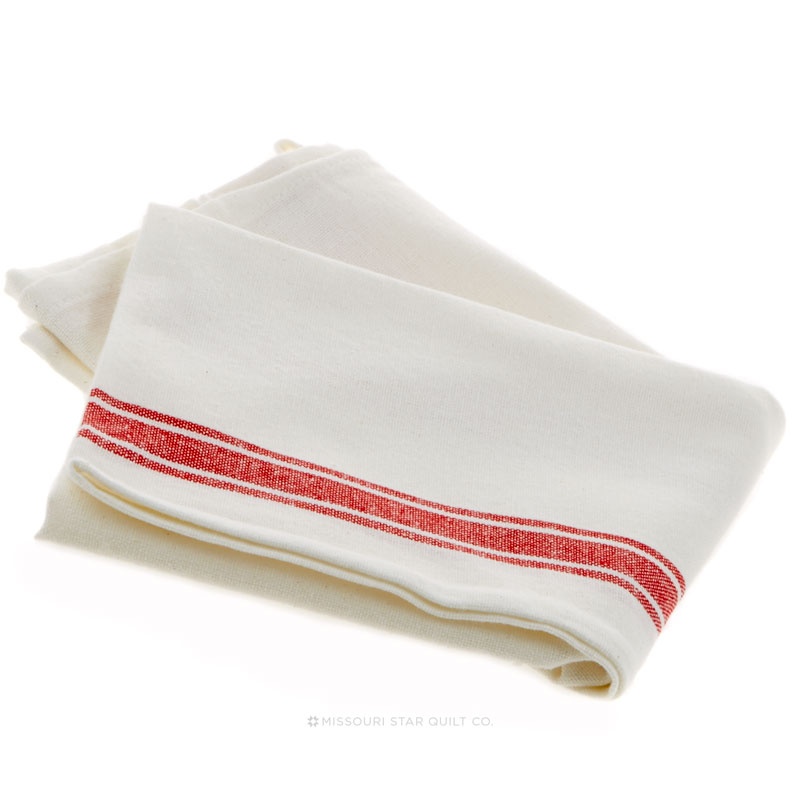
We have this great toweling that's sold by the yard so you can make your
own tea towels in your house and embroider whatever you want on them. We have denim sold by the yard and that's great. It's actually a lot wider - it's 60 inches wide instead of 45 so you get a lot more bang for your buck and it's lighter weight and easier to stitch through than like say cutting up old Levis. Which by the way is also a great option, but my grandma used to stitch on those old Levis and when she got her hands on some of the denim fabric she was like oh this is amazing. So it's much easier to use
and works great for all your projects. You can also use flannel. I haven't tried Cuddle but I imagine that that would work great too. Maybe we'll work on that someday.
Okay so now that we've talked about many different fabrics that you
can use for your embroidery. A very common question people have is do I need to pre-wash my fabrics? I would say the answer to that is typically no but I will give the caveat just like we do with all other quilting fabrics. If
you're worried about color bleeding, which typically happens with reds, the rest of it should be fine. I mean if you're worried go ahead and throw it
in the wash with a color catcher before you get started. That will give you peace of mind. You'll know that it's shrunk to the size that it's going to be, but otherwise no you don't have to pre-wash anything. You should be able to stitch right on it and have no problems. We don't have problems with bleeding of embroidery floss because it's just made so much better now than it used to be. So you know, the straight short answer is no you don't have to pre-wash your fabrics. The more complicated and personal answer is it's really up to you. It's your project. So if you feel that you want to pre-wash go for it and and then stitch away and have fun!
If you enjoyed this video, there's lots more where that came from. I have a whole channel called Embroidery 101 where I teach you what you need to know to get started and also give you tons of tips and ideas to refresh your memory and help you to advance in your embroidery journey. So click the link below and I hope you enjoy. Happy stitching!